Optimization as a Decision Space. The DMB team presents a methodological framework that systematically links technical performance with sustainability metrics. Practical examples, such as a structurally optimized component and the Digi4Circular project, illustrate its application.
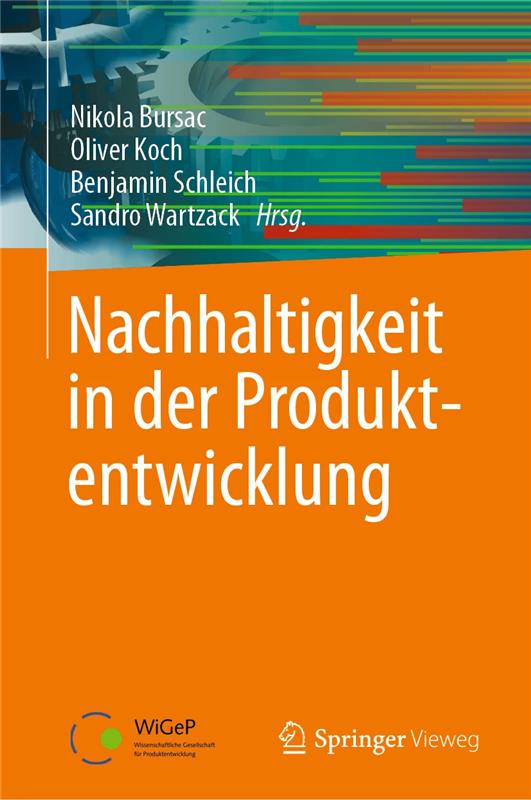
Written by Iryna Mozgova, Osman Altun, Manuel Ott, and Katharina Rohde (Data Management in Mechanical Engineering, University of Paderborn), the chapter „Resource-Efficient Product Development: Synergies of Lightweight Design and Sustainability in Optimization Processes" appears in Nachhaltigkeit in der Produktentwicklung (Sustainability in Product Development), published by Springer Vieweg.
The chapter introduces a methodological framework that views optimization not as a purely computational process, but as a transparent decision space for developers. This approach enables resource-efficient lightweight design by systematically weighing technical, ecological, and economic objectives—without losing sight of repairability or circularity.
The authors illustrate the practical application of this concept using examples such as a structurally optimized component and the Digi4Circular project, which focuses on optimizing circular components made from secondary materials.
The contribution is another step in the scientific publication of DMB research results and underscores the chair's role in developing methodological tools for resource-efficient product development and the circular economy.
Read the full chapter here: Resource-Efficient Product Development: Synergies between Lightweight Construction and Sustainability in Optimisation Processes (Available via Springer Professional)