Condition Monitoring & Predictive Maintenance
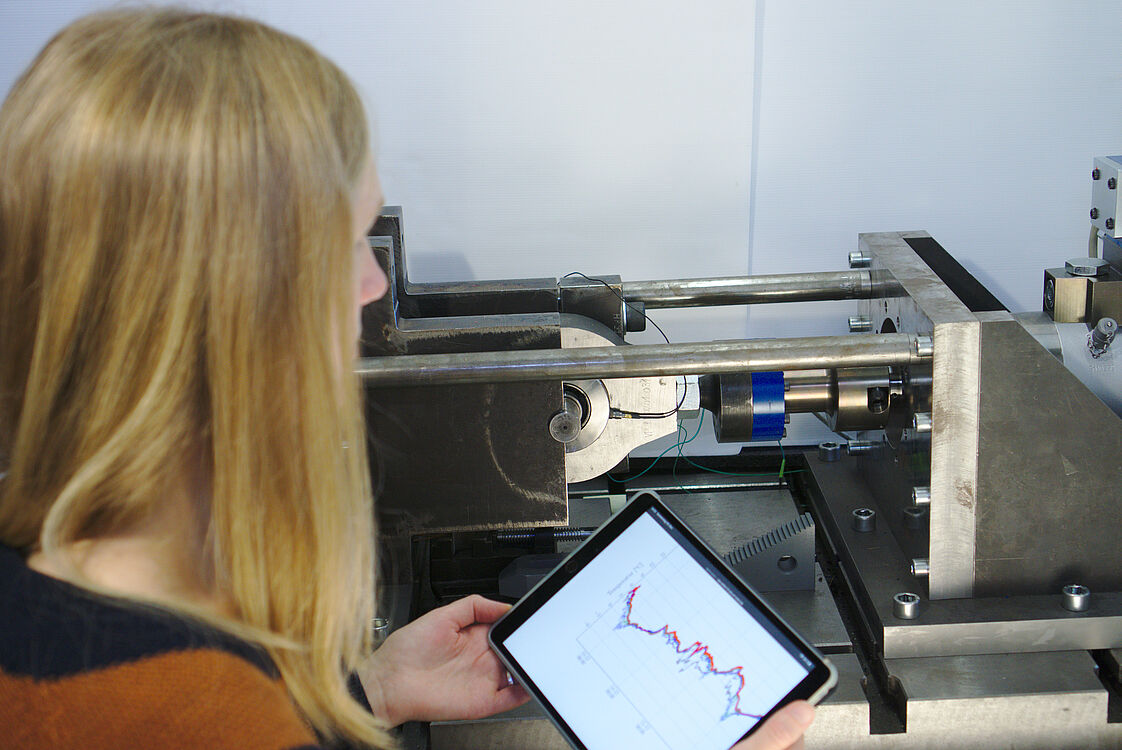
The digital transformation leads to technical systems with enhanced functionality. Modern technical systems are equipped with sensor networks, which augment the already available operating data and enable the monitoring of the overall system. Condition monitoring often comprises diagnosis of the current condition and the prediction of future conditions of the technical system or the product quality in a production line. Condition Monitoring methods rely on models, either developed by engineers or trained via machine learning aproaches, to estimate health states of technical systems or predict their remaining useful lifetime. Sometimes a combination of both approaches, i.e. a hybrid solution is utilized to achieve this aim. Based on this, the maintenance strategy predictive maintenance enables a ressource-saving and cost-efficent operation of the monitored system.

One research focus here is on the development of robust forecasting methods for technical systems that are operated under transient conditions, for example strongly varying environmental conditions with a major impact on the usable remaining service life. In order to utilise the potential of a condition monitoring process for maintenance engineers at a reasonable cost, possibilities are being developed to automate the methods on the one hand and to make the data-driven processes explainable on the other, so that the decisions of the trained models are understandable for humans. In particular, the combination of engineering knowledge about a technical system and data-driven machine learning algorithms to create a hybrid condition monitoring process represents a field of research.
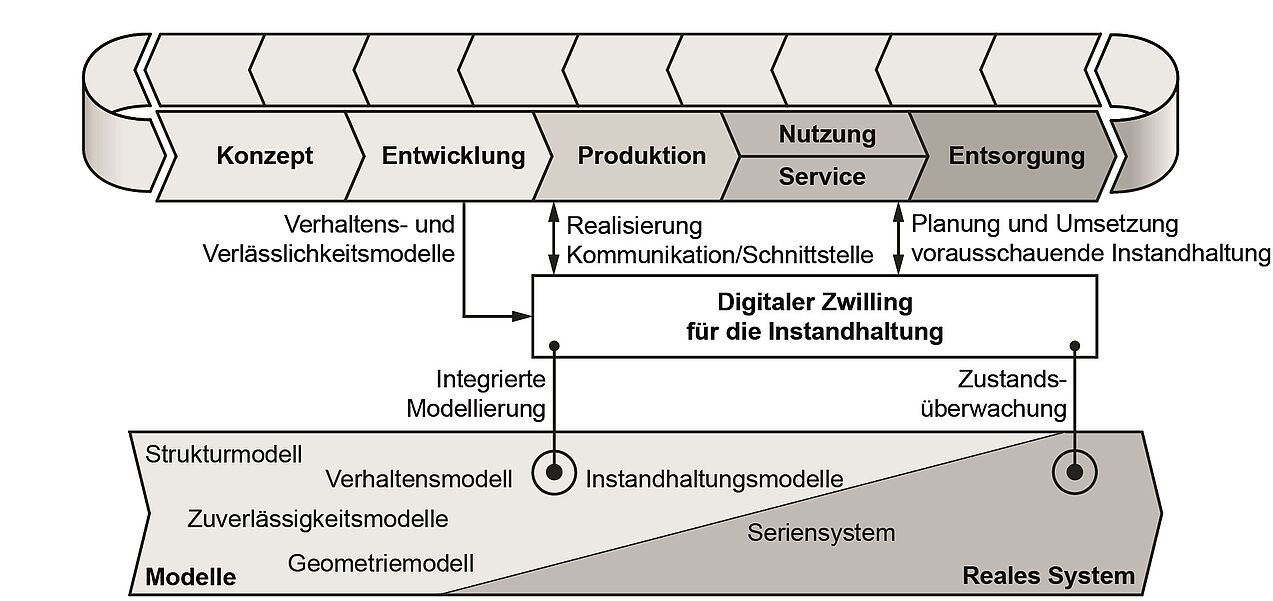
The development process of mechatronic systems focuses on different design objectives, including dependability, which comprises further aspects, such asreliability, availability, safety and integrity. Self-optimization of technical systems enables for an autonomous behavior adaption as a reaction to a change in operating conditions and user demands. Based on self-optimization, methods to increase dependability during operation are developed, e.g. configuration control, active control of the reliability of the system or to form a Digital Twin to support maintenance.
Current projects


Completed projects


Contact person
Dr. Amelie Bender
Faculty of Mechanical Engineering » Dynamics and Mechatronics (LDM)
Pohlweg 47-49
33098 Paderborn
Office hours
Currently no, please contact Osarenren Aimiyekagbon, my deputy